Skip to content
 303-228-3350
 20250 E Smoky Hill Rd, Unit 6 Centennial, CO 80015

Centennial families can make orthodontic care more manageable by checking dental insurance benefits and understanding how HSA or FSA funds may apply. Coverage varies by plan, so confirm eligibility, limits, and payment timing before treatment begins. With clear financial details and specialist guidance, you can plan confidently for clear aligners and a smile designed for natural balance and movement.
- Review orthodontic coverage, age limits, lifetime maximums, and claim requirements.
- Ask your plan administrator whether HSA or FSA funds may be used for your treatment.
- Request a personalized treatment and payment discussion before making decisions.
Maximizing Dental Insurance, HSA & FSA for Clear Aligners in Centennial
Start With the Details of Your Dental Insurance
Dental insurance may contribute to orthodontic treatment, but benefits differ widely. Some plans cover a percentage of eligible care up to a lifetime maximum. Others limit coverage by age, require a waiting period, or exclude orthodontics. Clear aligners may be covered when they are part of eligible orthodontic treatment, but coverage is never automatic.
Start by reviewing your plan documents and requesting a current benefits estimate. A benefits estimate is not a guarantee of payment. For a helpful starting point, review our insurance guidance and ask your insurer about the details below.
Confirm orthodontic benefits
Ask whether orthodontic benefits apply to adults, teens, or both. Confirm the lifetime maximum, coinsurance, deductible, waiting period, and whether benefits are paid as a lump sum or over time. Also ask whether your plan requires a referral, preauthorization, or specific claim documentation.
Share the answers with the practice before treatment. The team can help you understand how your insurance information may fit into the proposed plan, while your insurer remains the authority on your coverage. Dr. Cuong Dao brings focused orthodontic expertise to treatment planning, with attention to facial architecture, bite function, and aesthetic precision. Learn more about Dr. Cuong Dao.
Use HSA and FSA funds thoughtfully
Health savings account and flexible spending account rules depend on the account and applicable tax requirements. Orthodontic expenses may qualify when they meet the rules for eligible medical care, but your administrator can confirm how those rules apply to your situation. Check what documentation is required and whether payment timing affects eligibility.
Ask whether you can use account funds for initial payments or scheduled installments. Keep invoices, receipts, and benefit explanations in your records. If you have questions about your account, contact the administrator or a qualified tax professional rather than assuming every treatment expense qualifies.
Build a Payment Plan Around Your Timeline
Insurance benefits, account funds, and practice payment options each have different timing. Before starting, ask for a written estimate that separates the total treatment fee from expected insurance contributions and your estimated responsibility. Confirm when insurance payments are expected and whether the estimate changes if the insurer processes a claim differently.
Planning early can help you coordinate treatment with annual account contribution limits and plan renewal dates. Do not rush into care just to meet a deadline. A sound orthodontic plan should prioritize health, fit your lifestyle, and give you a clear view of the financial commitment.
Bring your insurance card and plan information to a consultation. Ask the team to explain payment milestones in plain language, including what happens if treatment length or coverage changes. For general questions about your visit, browse the practice’s patient questions.
Pair Clear Aligners With Specialist Planning
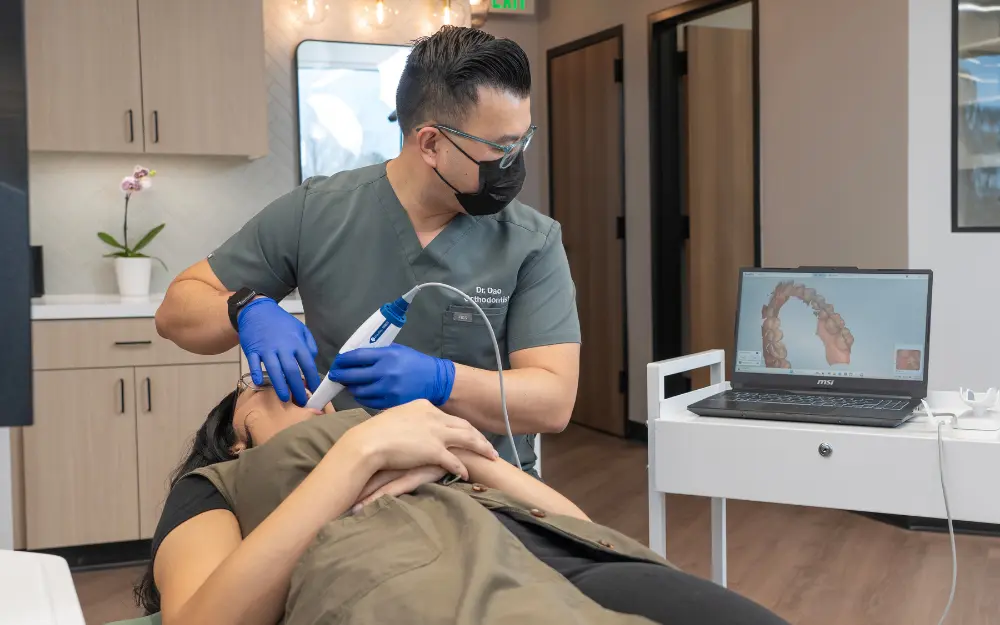
Clear aligners offer a discreet option for many patients, but suitability depends on the individual bite, tooth movement needs, and treatment goals. Dr. Dao evaluates the smile as a dynamic structure, considering how teeth, facial balance, and function work together. Digital planning can help map movement, while specialist oversight guides adjustments as treatment progresses.
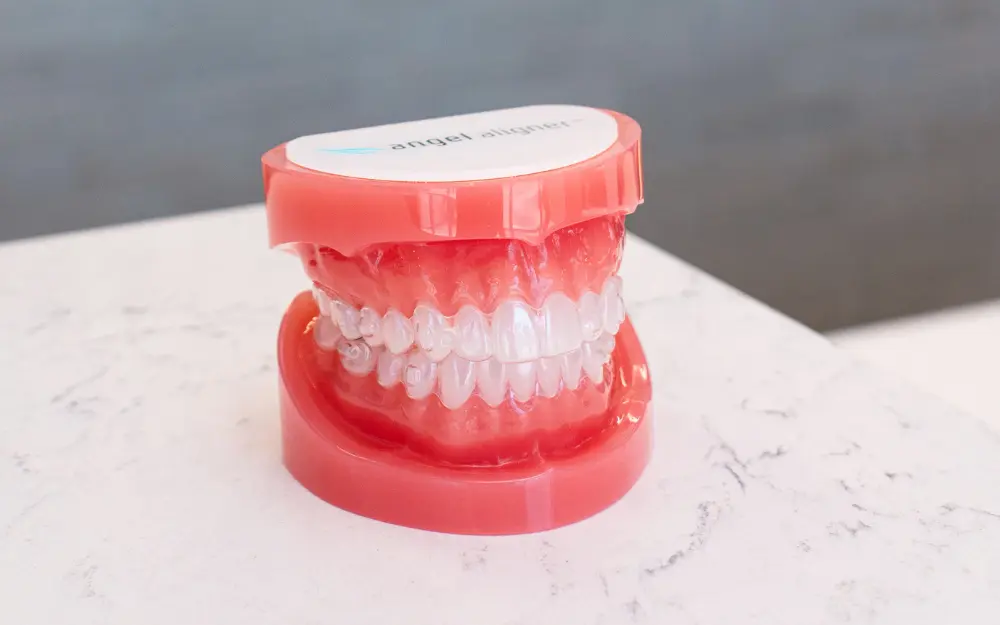
Explore Angel clear aligners and learn what to expect in this Centennial aligner guide. A consultation can help determine whether aligners or another approach better fits your needs. Compare aligners and braces with a specialist who understands the details of orthodontic design. Families can also explore teen orthodontic care when planning for younger patients.
Areas We Serve
Movement Orthodontics welcomes patients from Centennial and nearby communities. Families and professionals visit from Greenwood Village, Littleton, Highlands Ranch, Lone Tree, and south Aurora. If you are comparing care close to home, check the Centennial location and plan a visit that fits your routine.
Whether you are balancing work, school, or a full family schedule, clear aligners can be a convenient option when clinically appropriate. A thoughtful consultation brings your goals, treatment design, and financial questions into one conversation.